About
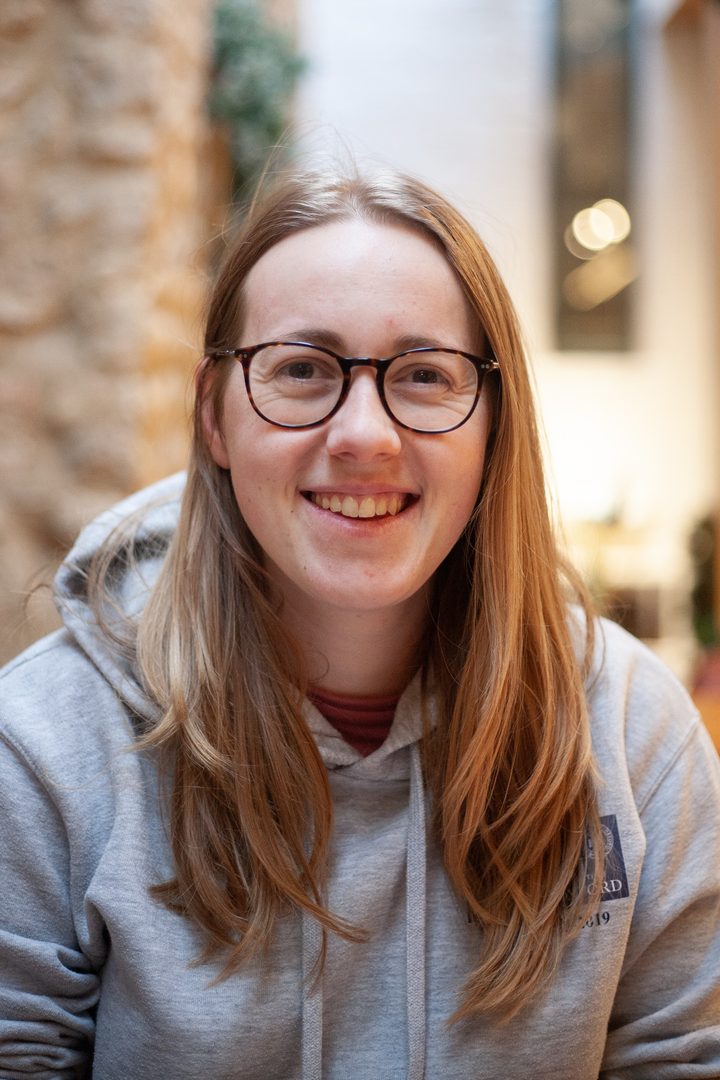
I'm Flora. I applied to Cambridge from a state school, without really knowing how any of it worked. That's mostly why Brightfield exists, to help ambitious students from all backgrounds feel confident in applying.
It's just me, not an agency. I teach biology for a living and help students apply to the best UK universities. Clear, honest advice, no insider-access claims, no promises of a place (nobody can do that!).
- MSci Natural Sciences, University of Cambridge, specialising in Biochemistry
- PGCE Science with Merit, University of Oxford
- Qualified Teacher Status, seven years in secondary science
- Currently Teacher of Biology at an independent school in Sheffield
- Ten years tutoring biology, over 1,000 hours taught
- Oxbridge applicants supported at three schools
- Taught internationally, in Budapest and Saudi Arabia
- State school educated
- Enhanced DBS checked
My own grades
A*A*A*A at A-level, in Biology, Chemistry, Maths and Further Maths. At GCSE, eight A*s, two As and a B.
The B was Art and Design, and at the time I was certain it had ruined my chances. I hadn't done Gold Duke of Edinburgh either, which I'd decided was the other thing standing between me and Cambridge. Neither turned out to matter. If you are lying awake over one grade, or one thing you didn't do, that is worth knowing.
How I teach it
You don't have to perform or be an academic robot. So many applicants are coached to sound impressive and to arrive with answers ready, and it usually backfires: it's hard to keep up, and it makes nervous students more nervous. You don't need to be a polished version of someone else. You need to be able to think out loud and show you love the subject, and that's something we can practise together.
The interview
An Oxbridge science interview is really a conversation about something you haven't seen before, with tutors working out whether they'd enjoy teaching you every week for three years. They want to see how you think, including the bits where you get stuck. Getting stuck isn't failing; it's the part they care about most.
When I sat mine, I was asked the difference between a whale and a human. I froze and said "whales are bigger". Not my finest moment, and I still laugh about it, but it didn't cost me the place: they wanted to see me work through it, not recite a perfect answer. I tell students that whenever they're afraid one wrong word will sink them. It won't.
The ESAT
The ESAT is a completely different challenge, so I teach it on its own. Three modules, twenty-seven multiple-choice questions each, all in one sitting, no calculator and no follow-up. Every single question is a short sprint that wants a fast, precise answer, and you run eighty-one of them back to back, so it asks for a marathon's worth of stamina at a sprint's pace. Nothing like the conversation of an interview, and being good at one doesn't make you good at the other.
It matters more than people expect. Almost everyone applying has top predicted grades, so the ESAT and the personal statement are how admissions tutors decide who gets an interview. They are also the two parts you can most improve with good teaching.
Why Brightfield exists
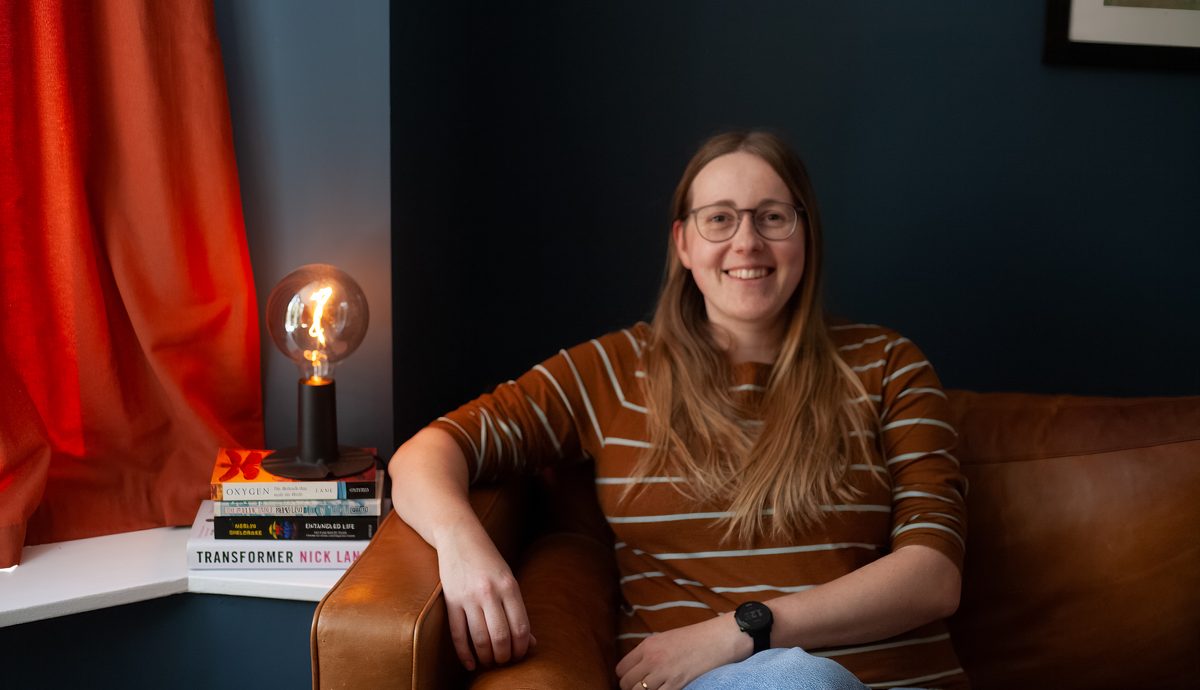
At schools that send students to Oxbridge every year, admissions knowledge is ordinary staffroom conversation and it gets passed on. At schools that don't, it often isn't there to pass on. That's the gap I'm trying to close, and why the guides here are free and the prices are on the page.
What I cover
- ESAT preparation across Maths 1, Biology and Chemistry
- UCAS personal statements, talked through first and then edited
- Interview preparation, including mock interviews with written feedback
- Course and college choice
- Super-curriculars: what to read, and which competitions and programmes are worth your time
- A-level and GCSE biology tutoring, on its own or alongside admissions work
Not covered
- Medicine, dentistry or veterinary medicine
- Physics and Maths 2 ESAT modules (engineering and physics applicants)
There's a fuller list of who this suits and who it doesn't on the home page. If I'm not the right person, I'll say so.